
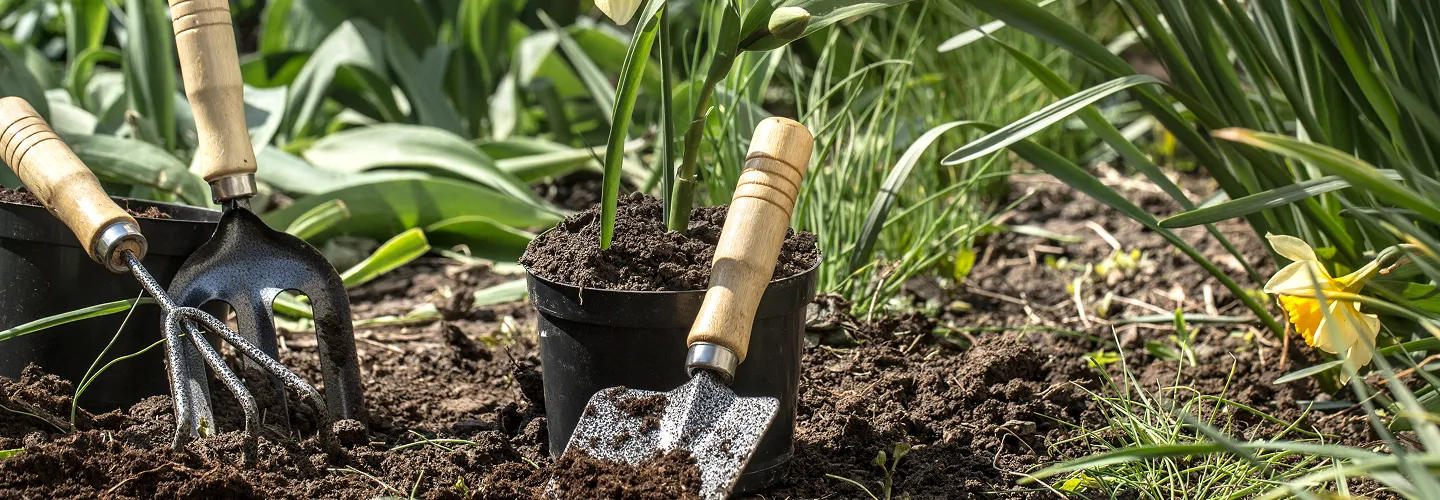
Durham Plant Removal Services
Choose our plant removal services for safe, thorough, and eco-friendly solutions that restore your landscape’s beauty while saving you time and effort.
Get a Free QuoteOur Durham Landscaping & Yard Care Services
When to Schedule Plant Removal in Durham, Connecticut – Seasonal Guide
In Durham, Connecticut, the timing of plant removal is best planned around the region’s distinct seasonal changes and local landscape features. Early spring and late fall are generally optimal, as these periods avoid the extremes of summer heat and winter frost. For neighborhoods near the Coginchaug River or close to the wooded areas around Millers Pond State Park, it’s important to consider how shade coverage and soil moisture can affect root systems and removal efficiency. The town’s typical last frost date in late April and first frost in mid-October set the boundaries for safe removal, minimizing plant stress and soil disruption.
Durham’s humid summers and occasional droughts, especially in areas like the Main Street Historic District, can impact both the ease of removal and the recovery of your landscape. Soil types vary from sandy loam in the north to heavier clay near Durham Meadows, influencing equipment needs and scheduling. Always check for municipal guidelines or seasonal restrictions, which can be found on the official town website, to ensure compliance and avoid delays.
Local Factors to Consider for Plant Removal in Durham
- Tree and shrub density in your yard
- Terrain slope and accessibility (e.g., hilly areas near Pisgah Road)
- Average precipitation and risk of soil saturation
- Local frost dates and temperature swings
- Municipal restrictions or permit requirements
- Proximity to protected wetlands or conservation areas
Benefits of Plant Removal in Durham
Expert Landscaping Services
Efficient Plant Removal
Eco-Friendly Disposal
Improved Curb Appeal
Customized Solutions
Licensed and Insured Team
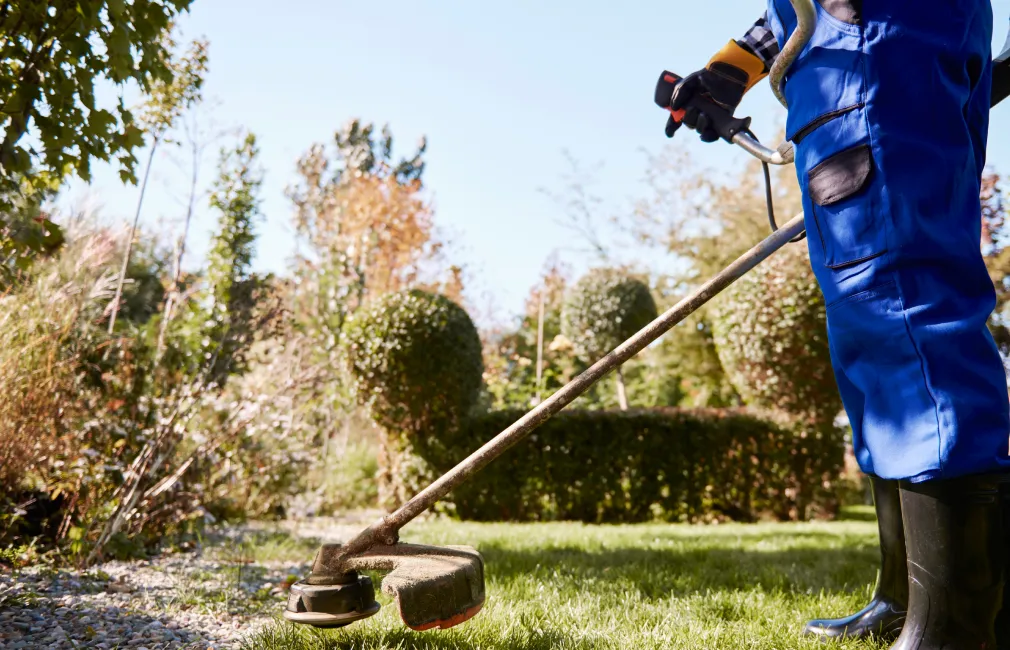
Durham Plant Removal Types

Tree Removal
-
Shrub Removal
-
Stump Grinding
-
Invasive Species Removal
-
Hedge Removal
-
Root System Extraction
-
Overgrown Vegetation Clearing
Our Plant Removal Process
Site Evaluation
Preparation and Safety Measures
Plant Extraction
Debris Removal
Site Restoration
Why Choose Durham Landscape Services
-
Durham Homeowners Trust Us
-
Expert Lawn Maintenance
-
Competitive Pricing
-
Professional Team
-
Satisfaction Guarantee
-
Personalized Service
-
Reliable Scheduling
Plant Removal Ordinances and Permit Requirements in Durham
Plant removal activities in Durham are governed by specific municipal ordinances to ensure public safety, environmental protection, and compliance with local land use policies. Any removal of trees over 6 inches in diameter at breast height (DBH) or vegetation within 50 feet of wetlands requires a permit from the town. Application fees typically range from $25 to $75, with a review period of 7-10 business days. Equipment operation is permitted during the following hours:
- Monday-Friday: 7:00 AM - 7:00 PM
- Saturday: 8:00 AM - 6:00 PM
- Sunday and holidays: Prohibited
All plant debris must be disposed of according to town guidelines, which prohibit dumping in storm drains or public rights-of-way. For permit applications and ordinance details, residents should coordinate with the Building and Land Use Department.
Durham Building and Land Use Department
30 Town House Road, Durham, CT 06422
Phone: (860) 349-8253
Official Website: Durham Building and Land Use Department
Soil Series and Site Conditions Affecting Plant Removal in Durham
Durham’s landscape is characterized by Inceptisols and Ultisols, with prevalent soil series such as Paxton and Montauk fine sandy loams. These soils are moderately acidic (pH 5.5-6.5), often stony due to glacial till, and can be poorly drained in low-lying areas. Plant removal projects must account for:
- Seasonal water tables at 12-18 inches in poorly drained zones
- Soil compaction in developed neighborhoods
- Erosion risk on slopes and near waterways
Before initiating removal, it is recommended to conduct a soil test through UConn Extension (typical cost: $15-25) to determine amendment needs and minimize site disturbance. For detailed soil mapping, consult the USDA Web Soil Survey. These resources help ensure compliance with local and state environmental standards.
Environmental Compliance: Wetland Buffers and Stormwater Protection in Durham
Plant removal near Durham’s wetlands, streams, and conservation areas is subject to strict buffer requirements. A minimum 25-foot no-disturbance zone is enforced around all designated wetlands, and a 50-foot setback applies to vernal pools and protected watercourses. The town’s MS4 permit, administered under the Clean Water Act, prohibits the discharge of plant debris or soil into storm drains. Key compliance steps include:
- Maintain all buffer distances during removal
- Use erosion control measures (silt fence, straw wattles)
- Schedule work during dry periods to reduce runoff
For guidance on buffer zones and environmental review, coordinate with the Conservation Commission.
Durham Conservation Commission
30 Town House Road, Durham, CT 06422
Phone: (860) 349-8253
Official Website: Durham Conservation Commission
Statewide, the Connecticut Environmental Protection Act and Connecticut Department of Energy and Environmental Protection regulate wetland and stormwater impacts.
Safety Protocols and Equipment Standards for Plant Removal in Durham
Durham enforces strict safety standards for plant removal operations, especially when using mechanized equipment or working near public infrastructure. All personnel must wear:
- Eye protection: ANSI Z87.1 safety glasses
- Hearing protection: Earmuffs or plugs for 85+ dB noise
- Footwear: Steel-toed boots with non-slip soles
- Gloves: Cut-resistant for pruning, chemical-resistant for herbicide use
Maintain a 15-foot clearance from overhead power lines and use commercial-grade equipment with functioning mufflers. Traffic control is required when working within 10 feet of public roads, including signage and safety cones. For technical guidance and compliance with local standards, consult the Department of Public Works.
Durham Department of Public Works
30 Town House Road, Durham, CT 06422
Phone: (860) 349-1816
Official Website: Durham Department of Public Works
Optimal Timing for Plant Removal in Durham’s Climate Zone
Durham is located in USDA Hardiness Zone 6b, with average annual minimum temperatures of -5°F to 0°F. The optimal window for plant removal is:
- Early spring: March 15 – May 15 (before leaf-out and bird nesting)
- Late fall: October 15 – December 1 (after leaf drop, before ground freeze)
Avoid removal during wet periods (April and November) to minimize soil compaction and erosion. Monitor local weather forecasts through the National Weather Service – New York, NY Office for up-to-date conditions. For large-scale projects, coordinate with the Tree Warden for scheduling and public safety.
Durham Tree Warden
30 Town House Road, Durham, CT 06422
Phone: (860) 349-8253
Official Website: Durham Tree Warden
What Neighborhoods Do We Serve Throughout Durham, CT?
- Main Street Historic District: Features mature trees and historic landscaping, with compacted soils and strict preservation guidelines affecting removal methods and equipment access.
- Higganum Road Corridor: Characterized by larger lots, mixed woodland, and proximity to Coginchaug River, requiring careful buffer compliance and erosion control.
- Parmelee Hill Area: Steep slopes and rocky soils present challenges for equipment operation and necessitate specialized erosion prevention during plant removal.
- Town Center: Dense development, limited access, and underground utilities require hand tools and coordination with municipal departments for safe removal.
- Bear Rock Road Vicinity: Near conservation lands and wetlands, subject to 25-foot buffer zones and additional review by the Conservation Commission.
- Maple Avenue Neighborhood: Features newer developments with fill soils and moderate drainage, requiring soil testing and compaction mitigation.
- Wallingford Road Area: Includes floodplain sections and mature tree stands, with seasonal water table fluctuations impacting timing and debris management.